
GRA Deepens Data Analytics Drive to Boost Revenue Mobilisation and Compliance
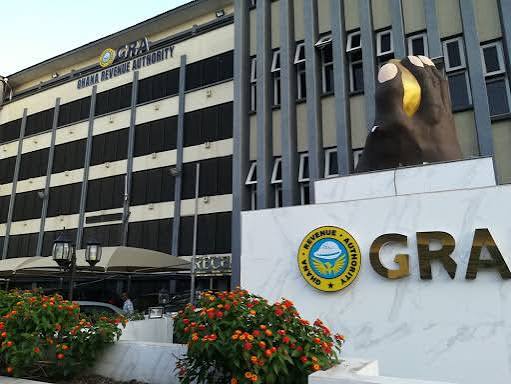
The Ghana Revenue Authority (GRA) is intensifying the use of data analytics in tax administration as part of efforts to improve revenue mobilization, strengthen taxpayer compliance and promote evidence-based decision-making.
The move reflects the Authority’s recognition that Ghana’s revenue administration system must evolve in response to a rapidly changing economy, particularly as digital technologies reshape how businesses operate and transactions are conducted.
Speaking at the opening of the 2026 GRA Statistics and Data Analysts’ Seminar in Ho, Technical Advisor to the Commissioner-General of the GRA, Elsie Appau-Klu, stressed the growing importance of statistics and data in modern tax administration.
She said the effective use of data would enable the Authority to better understand taxpayer behaviour, identify emerging trends and make more informed decisions on revenue collection and compliance.
According to her, the increasing digitalisation of economic activities presents both opportunities and challenges for tax authorities, making reliable data and sophisticated analytical tools essential to keeping pace with developments in the economy.
The seminar brings together statistics and data analysts within the GRA to strengthen their capacity and promote the effective use of analytical tools in the administration of the country’s tax system.
The emphasis on data analytics is expected to support the GRA in identifying compliance gaps, improving risk assessment and targeting interventions more effectively.
It could also help the Authority improve the quality and timeliness of information available to policymakers and tax administrators, allowing decisions to be based increasingly on evidence rather than assumptions.
The initiative comes at a time when revenue mobilisation remains a key priority for Ghana as government seeks to expand the domestic revenue base and improve the efficiency of tax collection.
With businesses and consumers increasingly operating through digital platforms, conventional approaches to tax administration are facing new demands. The GRA’s renewed focus on data therefore signals a broader shift towards a more technology-driven and intelligence-led revenue system.
Ms. Appau-Klu emphasised the need for the country’s revenue administration to remain responsive to these changes, underscoring the role of skilled analysts in transforming large volumes of information into useful insights.
The Authority’s investment in statistics and data analytics is consequently expected to play a central role in shaping future tax administration strategies.
As Ghana continues its digital transformation, the ability of the GRA to collect, analyse and effectively use data could become increasingly important to closing compliance gaps, broadening the tax base and securing sustainable domestic revenue.
The 2026 seminar therefore provides an opportunity for the Authority’s analysts to deepen their expertise while contributing to a more data-driven approach to Ghana’s revenue mobilisation agenda.