Investor Demand Pushes Treasury Bill Sales 88% Above Target
Accra, Ghana —
Investor appetite for Ghana’s short-term government securities has strengthened significantly, with the government receiving bids far above its target in the latest Treasury bill auction.
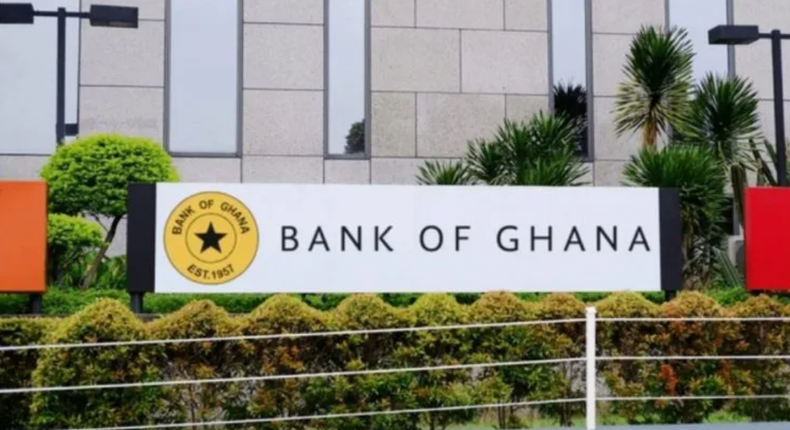
According to auction results released by the Bank of Ghana, investors tendered a total of about GH¢11.2 billion, representing an 88% oversubscription of the government’s target.
Despite the strong demand, the government accepted approximately GH¢4.88 billion of the bids submitted.
The 91-day Treasury bill emerged as the most heavily patronised instrument, overtaking the 364-day bill as investors showed a stronger preference for the shorter-dated security.
The 91-day bill attracted approximately GH¢5 billion, accounting for about 44.9% of total bids submitted. Of this amount, the government accepted a little over GH¢4 billion.
The 364-day Treasury bill received bids worth about GH¢4.9 billion, but the government accepted only GH¢289.70 million, indicating a significantly lower uptake compared with the 91-day instrument.
Meanwhile, the 182-day bill attracted bids of approximately GH¢1.28 billion, out of which a little over GH¢526 million was accepted.
Yields decline across the curve.
The strong investor demand came alongside a broad decline in Treasury bill interest rates.
The yield on the 91-day bill fell by 16 basis points to 5.46%, reflecting increased demand for the short-term government security.
Similarly, the yield on the 182-day bill declined to 7.27%, from 7.57% in the previous auction.
The movement in yields suggests that investors were willing to accept lower returns in exchange for exposure to Ghana’s short-term government securities, particularly at the shorter end of the yield curve.
The latest auction results point to continued strong demand for government securities, while the shift towards the 91-day bill highlights investors’ growing preference for shorter-term instruments amid changing market conditions.