
Otumfuo Badu Bonsu II: From Colonial Tragedy to National Reconciliation
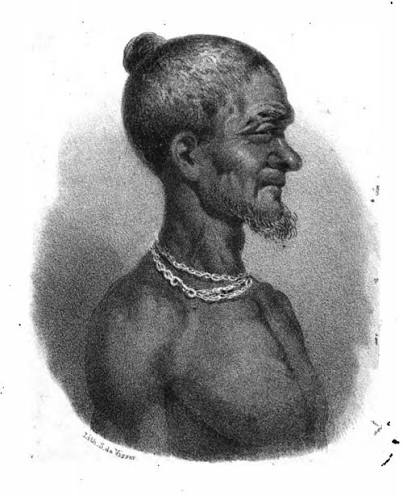
The story of Otumfuo Badu Bonsu II, the late ruler of the Ahanta people of Ghana's Western Region, remains one of the most poignant chapters in the history of colonialism and cultural heritage restitution. It is a story that spans nearly two centuries, connecting the painful experiences of the past with present-day efforts to restore dignity, justice, and historical memory.
The Historical Tragedy
In the early nineteenth century, the Ahanta Kingdom was one of the influential coastal states engaged in trade and diplomatic relations with European powers, particularly the Dutch. Tensions between the Ahanta leadership and Dutch colonial authorities escalated in the late 1830s, culminating in the killing of two Dutch emissaries.
In retaliation, Dutch colonial forces launched a military campaign against the Ahanta Kingdom. In 1838, King Badu Bonsu II was captured and publicly executed. In an act that symbolized colonial domination and humiliation, his head was severed and transported to the Netherlands as a trophy of conquest. For generations, the Ahanta people and the descendants of the king carried the pain of this desecration, which represented not only the loss of a leader but also an assault on the dignity of an entire people.
For more than 170 years, the remains of Badu Bonsu II remained outside Ghana, serving as a painful reminder of the injustices inflicted during the colonial era.
The Return of the King
A significant breakthrough came in 2009 when the Netherlands formally returned the remains of Badu Bonsu II to Ghana. The repatriation was celebrated both nationally and internationally as an important step toward addressing historical wrongs and advancing discussions on the restitution of cultural heritage and human remains taken during the colonial period.
However, the return of the remains marked only the beginning of another important journey. The remains were preserved at the 37 Military Hospital in Accra while consultations continued regarding the most appropriate and culturally acceptable way to honour the late king.
The central question remained: How should Ghana and the Ahanta people finally lay to rest a king whose remains had been separated from his homeland for nearly two centuries?
The Present-Day Search for Closure
In August 2026, the Government of Ghana, through the Ministry of Foreign Affairs, took a significant step toward resolving this long-standing matter. Recognizing the importance of family, tradition, and community ownership of the process, the Minister for Foreign Affairs invited representatives of the royal families of Busua, traditional authorities, kingmakers, and key stakeholders to a high-level meeting in Accra.
The meeting, which took place on the 13th of August,2026 at the Foreign Affairs Conference Room, sought to engage directly with the descendants and custodians of Ahanta heritage to determine the most dignified and culturally appropriate path forward for the final disposition of the remains of Badu Bonsu II.
The invitation reflected an important principle: that the resolution of this historic matter should not be imposed by government alone but should be guided by the wishes of the families, traditional authorities, and the people whose history is most deeply connected to the late king.
The Significance of the Foreign Ministry's Intervention
The Ministry of Foreign Affairs played a critical facilitative role in bringing together all relevant stakeholders. Its involvement represents more than an administrative exercise; it symbolizes Ghana's commitment to historical justice, cultural preservation, and reconciliation.
The meeting serves several important purposes:
- To provide a platform for the descendants of Badu Bonsu II and the people of Busua to express their views.
- To determine culturally appropriate burial and memorial arrangements.
- To strengthen national recognition of Ahanta history and heritage.
- To bring closure to a painful chapter that has endured for generations.
- To demonstrate Ghana's leadership in addressing issues relating to the restitution of cultural heritage and human remains.
A Story of Memory, Justice and Reconciliation
The journey of Otumfuo Badu Bonsu II—from a respected king, to a victim of colonial brutality, to a symbol of restitution and historical justice—reflects a broader African struggle for recognition and dignity.
Today, discussions surrounding his remains are not merely about burial arrangements. They are about restoring honour to a leader whose humanity was denied, healing historical wounds within the Ahanta community, and ensuring that future generations understand the sacrifices and experiences of their ancestors.
As Ghana continues to engage with questions of heritage restitution and historical accountability, the story of Badu Bonsu II stands as a powerful reminder that while history cannot be changed, nations can take meaningful steps to acknowledge past injustices and seek reconciliation.
The 2026 meeting convened by the Ministry of Foreign Affairs therefore represents a historic opportunity—not only to give a fallen king a final resting place but also to complete a journey of restoration that began with his return to Ghana seventeen years ago. It is a moment when history, culture, diplomacy, and community come together in pursuit of justice, remembrance, and lasting closure.
This is a Developing Story.