
Supreme Court Allows Selected Criminal Trials to Continue During Legal Vacation
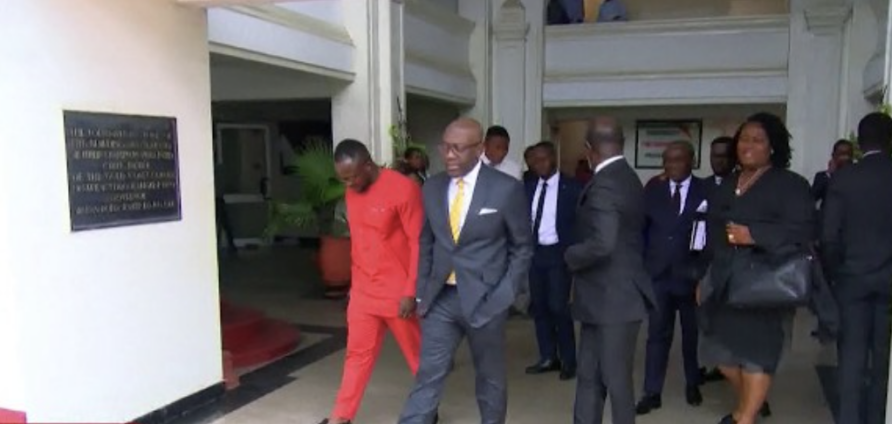
The Supreme Court has cleared the way for selected criminal trials to continue during Ghana’s legal vacation after dismissing an application by Ofoase-Ayirebi MP Kojo Oppong Nkrumah seeking to suspend the proceedings.
Justice Gabriel Pwamang, sitting as a single judge, ruled on Friday, August 21, 2026, that Mr Oppong Nkrumah had not established sufficient grounds for the interlocutory injunction.
The decision means selected High Court judges can continue hearing criminal cases under administrative warrants issued by Chief Justice Paul Baffoe-Bonnie during the legal vacation, which runs from August 1 to September 30.
The ruling, however, does not settle the substantive constitutional challenge filed by Mr Oppong Nkrumah.
The legislator is challenging the constitutionality of the Chief Justice’s directive requiring selected High Court judges to sit during the vacation to hear specific criminal cases. He argues that the arrangement violates Articles 17 and 296 of the 1992 Constitution and amounts to selective justice.
His application for an interlocutory injunction sought to suspend the warrants until the Supreme Court determines the substantive case.
The affected proceedings include the trials of former National Signals Bureau Director-General Kwabena Adu-Boahene and his wife, as well as former NAFCO Chief Executive Officer Hanan Abdul-Wahab, among others.
Speaking after the ruling, counsel for Mr Oppong Nkrumah, Frank Davies, said the legal team accepted the decision and would study the court’s full reasoning before advising their client.
Mr Davies said lawyers were not expected to condemn judges when rulings went against their clients, noting that they could only critique decisions.
“We will abide by the ruling of the court for now,” he said.
He added that the legal team had applied for a certified true copy of the ruling from the court registrar and would review it carefully before deciding on the next course of action.
The dismissal of the injunction allows the affected criminal proceedings to continue during the legal vacation.
The larger constitutional question, however, remains before the Supreme Court. The eventual determination of the substantive suit will establish whether the administrative warrants directing selected judges to sit during the legal vacation are constitutionally valid.